Work Group Mounts Effort to Save Oregon’s Prioritized List
A state-appointed work group is calling for Oregon health officials to retain the Prioritized List of Health Services, which for more than 30 years has helped ensure that Medicaid dollars are spent on the most effective, evidence-based treatments for conditions ranging from depression to diabetes.
According to a recent article in the Lund Report, six of 11 members on the work group (including doctors, health insurance executives, and advocates) voted to keep the list intact if it can be done so legally. Those members expressed concerns that officials “appeared ignorant of how the system actually worked” and “failed to do basic due diligence in projecting the effects of the change.”
Former Oregon Gov. John Kitzhaber explains the history of the Prioritized List in this video clip.
 |
In 2022, the Oregon Health Authority and Centers for Medicare & Medicaid Services (CMS) agreed to remove the Prioritized List from the state’s Medicaid 1115 Demonstration Waiver. OHA initially indicated it would continue under a State Plan Amendment but later announced plans to phase out its use beginning Jan. 1, 2027.
With its future hanging in the balance, a panel of health care experts and advocates — including CCO leaders — discussed what’s next for the Prioritized List at the 2025 Oregon State of Reform Conference, and how that will impact approximately 1.4 million Medicaid members statewide.
What Is The Prioritized List?
The Prioritized List was created to provide a transparent, equitable, evidence-based framework for allocating limited resources under the Oregon Health Plan (OHP). The first list was published in 1994 and has evolved over the years to account for new advancements and changes in health care while maximizing coverage.
The list works by combining conditions and treatments into “lines” and ranking them based on clinical evidence, with more effective treatments ranking higher on the list for funding.
Dr. Jeanne Savage, Chief Medical Officer for Trillium Community Health Plan, said the list has been a defining feature of the OHP and has helped drive a record 97% coverage statewide, resulting in positive health outcomes.
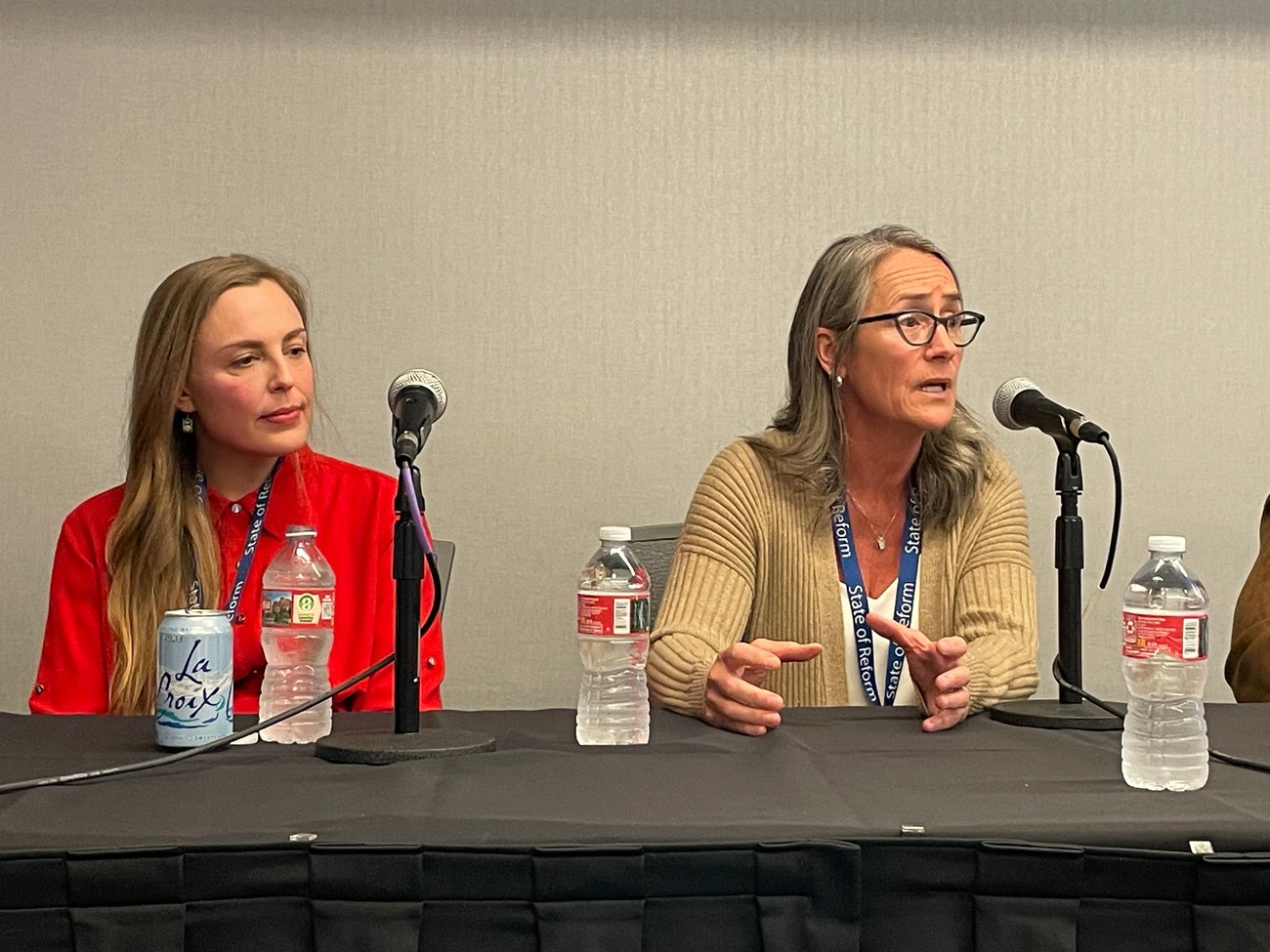
Dr. Jeanne Savage (right) discusses the Prioritized List at the 2025 Oregon State of Reform Conference.
“My patients who did not (previously) get preventive care are now seeking preventive care,” Savage said. She described how the loss of Medicaid for patients has led directly to poor outcomes, such as diabetes patients going from having their A1C level under control to having diabetic ulcers and other complications.
CCOs Raise Concerns
Dr. Amy Burns, Senior Vice President of Clinical Operations for AllCare Health, said the list has not only kept costs under control but provided unified coverage across the state.
“Moving away from the Prioritized List, even with clinical coverage guidelines that in theory would keep the spirit of the list, is going to be a challenge,” Burns said.
Savage said that, without the Prioritized List, she is concerned that decisions about what is covered versus what isn’t covered will be left to politicians, rather than health providers. “I want physicians and providers of all types in a room making evidence-based, tough decisions about what we cover and what we don’t. That’s important to me,” she said.
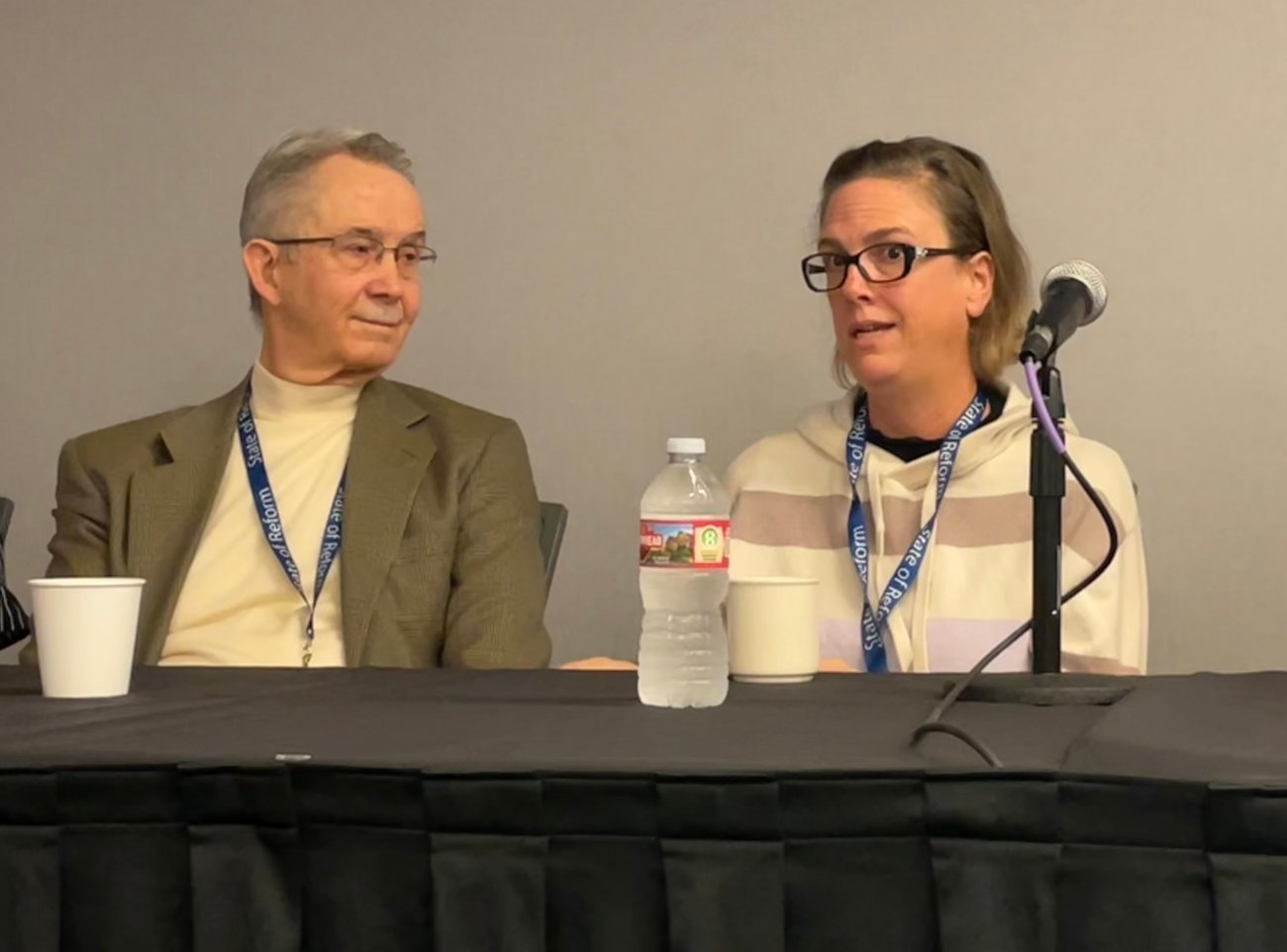
Dr. Amy Burns (right) discusses the Prioritized List at the 2025 Oregon State of Reform Conference.
Dire Consequences
Rural communities would potentially be hit the hardest by losing the Prioritized List, Savage said, with higher costs leading to higher uninsured rates, poorer outcomes, and a greater churn of providers in those areas.
CCOs have deep ties with their provider networks in rural communities, Burns said. They will continue to advocate for their patients as a new vision for the list takes shape.
Savage said that, without having a system in place that limits benefits based on medical evidence, the consequences could be dire — potentially leading to lowering enrollment, lowering provider payments, or lowering benefits to manage costs.
“We have to think about those levers and how they work together,” she said.