
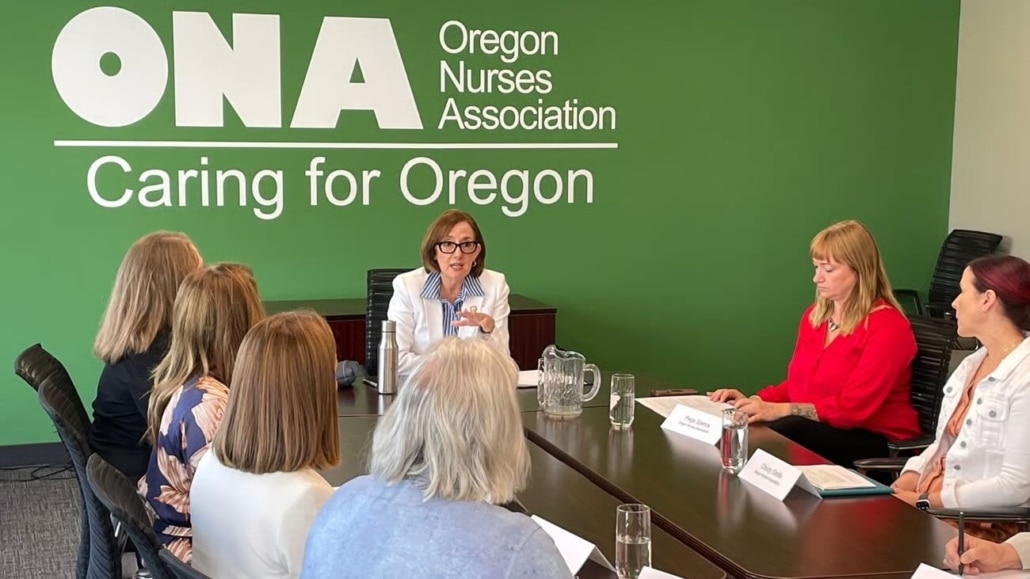
Health Providers Discuss Medicaid Cuts with U.S. Rep. Andrea Salinas
With Oregon facing billions of dollars in cuts to Medicaid and food benefits under the federal tax and spending bill H.R. 1, local health providers expressed frustration and concern during a roundtable Aug. 28 with U.S. Rep. Andrea Salinas (D-Ore.) while holding out hope that some of the bill’s provisions could eventually be repealed.
Salinas hosted the roundtable at the Oregon Nurses Association headquarters in Tualatin, where she said these cuts will make Oregonians “sicker, hungrier, and poorer,” according to an article published in the Salem Business Journal.
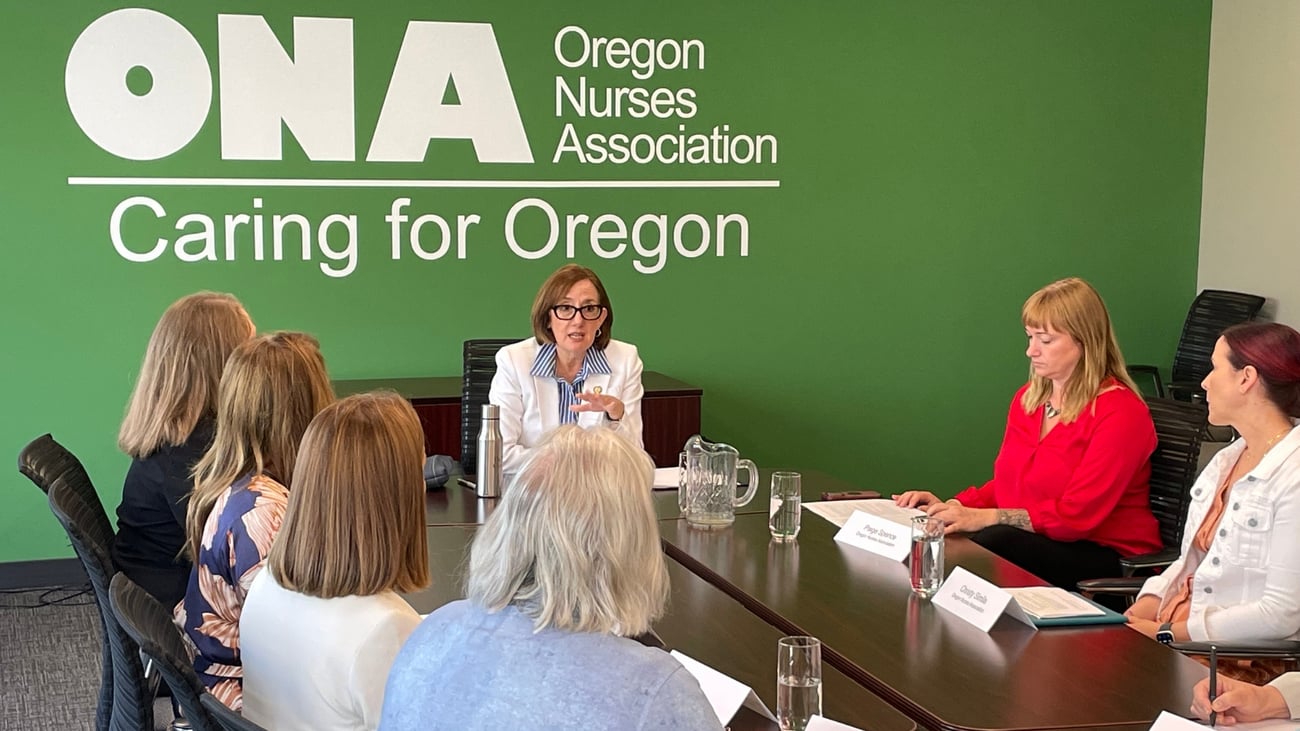
U.S. Rep. Andrea Salinas hosted a roundtable with health care providers to discuss the impact of Medicaid cuts.
The Oregon Health Authority anticipates it will lose up to $11.7 billion in federal funding through the 2029-31 biennium, and up to 200,000 Oregon Health Plan members could lose their coverage.
The state Department of Human Services also estimates losing nearly $3 billion for SNAP — the federal Supplemental Nutrition Assistance Program — from 2025-29.
Congressional Republicans who voted in favor of H.R. 1 argue cuts are needed to reduce federal spending and target fraud, waste, and abuse within the programs. But providers told Salinas they worry it will result in the closure of rural hospitals and clinics, forcing patients to travel longer distances and experience increased wait times for care.
“It’s going to be really shaky. The whole model could disintegrate, it feels like … The needs and acuity of patients are just increasing. With that comes increasing costs, and the payments are not keeping up. With this additional burden, it’s going to hurt our CCO system.”
— U.S. Rep. Andrea Salinas (D-Ore.)
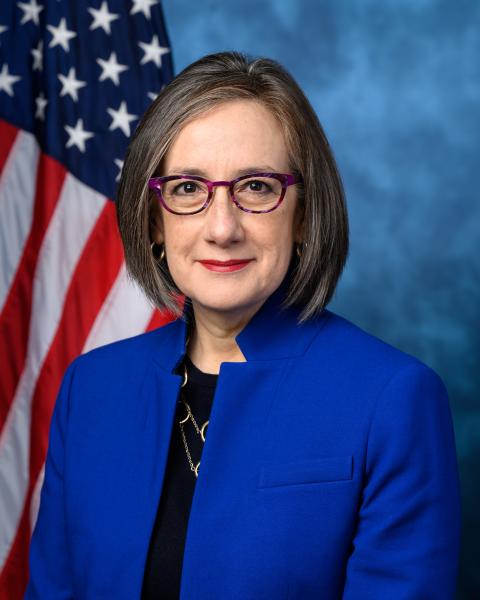
Vivian Levy, Deputy Medicaid Director at OHA, said the agency faces significant challenges as Medicaid provisions under the bill take effect.
Starting in fiscal year 2028, the maximum rate for the Hospital Provider Tax will be gradually lowered from 6% to 3.5% by fiscal year 2032, choking off billions of dollars in funding. Beginning in the first quarter of 2027, the state will also be required to reverify eligibility every six months rather than once every two years, accounting for new work requirements to stay insured. That will require additional administrative staff to handle the increased workload, Levy said.
“We are working closely with our federal partners at CMS (the Centers for Medicare & Medicaid Services) to try and make sure we are doing what we are required to do, and at the same time doing what we always do in Oregon which is to take every action we can to make sure we’re taking care of eligible people,” Levy said.

